Linear Keypad Manual: A Comprehensive Guide
This manual details operation, installation, and troubleshooting for Linear keypads, including models like K32IRF/K32RF and the Z-2130․ It covers security features, error codes, and advanced settings․
Linear keypads represent a cornerstone of access control and automation systems, offering robust security and user-friendly interfaces․ These devices, exemplified by models such as the K32IRF and K32RF wireless keypads, and the advanced Z-2130, are designed for a wide range of applications, from residential security to industrial control․ They provide a secure method for managing access, controlling devices, and monitoring system status․
The evolution of Linear keypads has focused on enhancing performance and usability․ The Z-2130, for instance, boasts a 32-bit CPU and a new scan engine, delivering improved speed and reliability while maintaining portability․ Understanding the core functionalities and programming options of these keypads is crucial for effective system implementation and maintenance․
This manual serves as a comprehensive resource, guiding users through the intricacies of Linear keypad operation․ It details everything from basic lock and unlock procedures to advanced customization options, ensuring optimal system performance and security․ Proper installation, configuration, and regular maintenance are key to maximizing the lifespan and effectiveness of your Linear keypad system․
Understanding Keypad Functions
Linear keypads offer a diverse range of functions, central to their versatility in access control and automation․ Core functionalities include locking and unlocking mechanisms, often activated by a specific key sequence – holding the MODE key while pressing keys a set number of times․ Beyond basic access, these keypads facilitate security lock operation, enabling directional control (Up, Down, Left, Right) via designated keys․
Advanced features extend to autotuning capabilities, adjustable through parameters like P00․151 and P00․152, optimizing system performance․ The interface allows for navigation and control of connected devices, such as channel strips in systems like the Radikal Technologies SAC-2K, offering precise control assignments within Logic Pro․

Furthermore, certain models, like the TemPro VISION, integrate thermal imaging capabilities for temperature measurement and visualization․ Understanding these functions, alongside error code interpretation, is vital for effective operation and troubleshooting․ The keypad’s power supply considerations and rotation direction adjustments are also crucial aspects of its overall functionality․
Keypad Lock and Unlock Procedures
Securing access with a Linear keypad involves a specific procedure for both locking and unlocking․ To initiate, the MODE key must be pressed and held continuously․ While maintaining pressure on MODE, a precise sequence of key presses is required: press a designated key three times, followed by another key pressed twice․ Only after completing this sequence should the MODE key be released․
This method ensures intentional operation, preventing accidental locking or unlocking․ The system’s security lock function, activated through this procedure, provides a controlled access point․ Understanding this sequence is paramount for authorized users․ Incorrect attempts may trigger error codes, requiring troubleshooting․

It’s important to note that variations may exist depending on the specific keypad model and programmed settings․ Refer to the detailed programming section for customization options․ Regularly testing the lock and unlock procedure confirms proper functionality and maintains system security․ Always prioritize understanding the correct sequence to avoid access issues․
Security Lock Operation

The Security Lock feature on Linear keypads provides directional control, utilizing four primary functions: Up, Down, Left, and Right․ These directions, represented by numerical values – 1, 2, 3, and 4 respectively – are integral to navigating the system and initiating specific actions․ This functionality extends beyond simple movement, often tied to advanced programming and control assignments․
Activation of the Security Lock relies on the precise sequence detailed in the Lock and Unlock Procedures section․ Once engaged, the directional inputs can be used to control various parameters, potentially including channel strip assignments (as seen in Radikal Technologies SAC-2K integration) or adjustments within the thermal imager (TemPro VISION)․
Understanding the correlation between the numerical values and their corresponding directions is crucial for effective operation․ Incorrect input can lead to unintended consequences․ The system’s responsiveness to these directional commands is a core component of its security and control capabilities, demanding careful attention to detail during operation and programming․
Security Unlock Operation
Unlocking the keypad’s security features requires a specific sequence involving the ‘MODE’ key․ The procedure dictates pressing and holding the ‘MODE’ key, followed by a precise series of key presses – three times with one key, and twice with another – before releasing the ‘MODE’ key․ This deliberate sequence is a critical security measure, preventing accidental disengagement of the lock․
Successful execution of this sequence disengages the Security Lock, restoring full access to the keypad’s functionalities․ This is essential for programming adjustments, autotuning parameters (like P00․151 and P00․152 settings), and potentially for initiating a system run after configuration․
It’s vital to remember that deviations from the prescribed sequence will likely result in a failed unlock attempt․ Referencing the Keypad Lock and Unlock Procedures section is recommended for clarity․ Proper unlocking is also necessary to address any error codes displayed, allowing for troubleshooting and restoration of normal operation, especially concerning components like the inverter and braking resistor․
Navigating the Keypad Interface
The Linear keypad interface utilizes a combination of directional keys – Up, Down, Left, and Right – alongside the crucial ‘MODE’ key for accessing and modifying settings․ Understanding the function of each key is paramount for effective operation and programming․ The directional keys facilitate movement through menus and adjustment of parameter values․
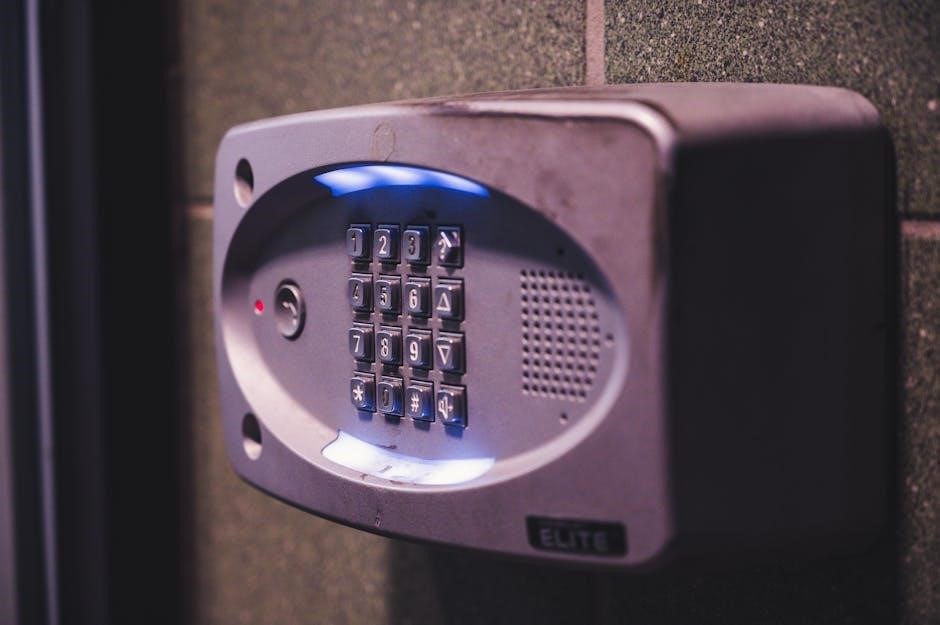
The ‘MODE’ key serves as a central control point, initiating security lock/unlock sequences, and enabling access to advanced settings․ Its prolonged press, coupled with specific key combinations, is fundamental to several operations, including initiating autotuning and setting parameters like P00․151 and P00․152․
For models like the Z-2130, featuring a 32-bit CPU and enhanced scan engine, the interface responsiveness is improved․ However, the core navigation principles remain consistent․ Familiarity with the interface is crucial for troubleshooting error codes, configuring channel strip controls (SAC-2K), and utilizing features like the TemPro VISION thermal imager, if applicable․
Understanding Keypad Error Codes
Linear keypads employ error codes to signal malfunctions or abnormal conditions within the system․ These codes, displayed on the keypad itself, provide valuable diagnostic information for troubleshooting․ A comprehensive understanding of these codes is essential for efficient maintenance and repair․
The documentation lists various error codes, each corresponding to a specific issue․ These issues can range from communication failures to hardware problems within the inverter or braking resistor․ Identifying the error code is the first step in determining the appropriate corrective action․
For example, codes might indicate overheating of components – a critical safety concern, especially given the high temperatures of the inverter and braking resistor after power cycling․ Other codes could relate to autotuning failures, incorrect parameter settings (P00․151/P00․152), or problems with wireless communication in K32IRF/K32RF models․ Refer to the detailed error code table within the manual for specific interpretations and recommended treatment steps․
Troubleshooting Common Keypad Issues
Addressing common issues with Linear keypads often begins with a systematic approach․ If the keypad isn’t responding, verify the power supply and check for any loose connections․ Error codes, as detailed in the manual, are crucial starting points for diagnosis; consult the error code table for specific solutions․

For wireless keypads (K32IRF/K32RF), ensure proper communication with the receiver․ Interference or low battery levels can cause connectivity problems․ If the rotation direction is incorrect, the manual advises powering off the system, reversing the wiring, and then repowering․
Autotuning failures can often be resolved by verifying the correct settings for parameters P00․151 and P00․152․ Remember safety precautions: the inverter and braking resistor become extremely hot after power disconnection, so avoid touching them․ If issues persist, consult the full documentation or contact technical support for assistance, referencing the specific error codes encountered․
Keypad Programming Basics
Linear keypad programming allows for customization of various functions to suit specific needs․ A fundamental step involves setting autotuning parameters, specifically P00․151 and P00․152, which influence the system’s performance characteristics․ These settings require careful adjustment based on the application and desired outcome․
Lock and unlock procedures are also programmable․ The manual details a specific sequence – pressing and holding the MODE key, followed by three presses of one key and two presses of another, then releasing MODE – to toggle the keypad’s security status․ This sequence can potentially be customized, depending on the model․
Understanding the keypad interface is crucial for effective programming․ The Z-2130 keypad, featuring a 32-bit CPU, offers advanced capabilities․ Always refer to the comprehensive documentation for detailed instructions and safety guidelines during the programming process, ensuring optimal system functionality and security․
Setting Up Autotuning Parameters
Autotuning is a critical process for optimizing Linear keypad performance, particularly concerning motor control applications․ The parameters P00․151 and P00․152 are central to this process, influencing the dynamic response and stability of the system․ Proper configuration ensures smooth operation and prevents unwanted oscillations․
Before initiating autotuning, it’s essential to understand the specific requirements of the connected equipment; The manual emphasizes the importance of setting these parameters correctly, as they directly impact the inverter’s behavior․ After adjusting P00․151 and P00․152, pressing the ‘RUN’ button initiates the autotuning sequence․
During autotuning, the system automatically identifies optimal settings based on the load characteristics․ It’s crucial to monitor the process and ensure a safe operating environment, especially considering the potential for high temperatures in the inverter and braking resistor․ Always consult the full documentation for detailed guidance and safety precautions․
Adjusting P00․151 and P00․152 Settings
Parameters P00․151 and P00․152 are fundamental to fine-tuning the performance of Linear keypads integrated with inverter systems․ These settings directly influence the autotuning process and, consequently, the overall responsiveness and stability of the motor control․ Precise adjustment is vital for optimal operation․
While the specific function of each parameter isn’t explicitly detailed in the provided snippets, their combined influence is clear: they prepare the system for automated optimization․ Before initiating autotuning, carefully review the full Linear keypad manual to understand the implications of altering these values․ Incorrect settings can lead to suboptimal performance or instability․
It’s recommended to make small, incremental adjustments to P00․151 and P00․152, followed by a test run and observation of the system’s behavior․ Remember to prioritize safety, especially given the potential for high temperatures in the inverter and braking resistor during operation․ Document all changes for future reference․
Wireless Keypad Installation (K32IRF/K32RF)
The K32IRF and K32RF wireless keypads offer a convenient alternative to traditional wired installations, providing 32-zone control capabilities․ These keypads function similarly to their wired counterparts, simplifying integration into existing security systems․ Installation requires careful attention to detail to ensure reliable communication․
The provided documentation emphasizes following the included installation and operation instructions meticulously․ Proper wiring and antenna placement are crucial for optimal signal strength and range․ Interference from other wireless devices can impact performance, so consider the surrounding environment during installation․
Before powering on the system, double-check all connections and ensure the keypad is securely mounted․ After installation, thoroughly test each zone to verify functionality․ Refer to the full Linear keypad manual for detailed troubleshooting steps if any issues arise․ Remember to prioritize safety during the installation process․
Channel Strip Control Assignments (Radikal Technologies SAC-2K)
When integrating the Radikal Technologies SAC-2K control surface with Logic Pro, specific assignments govern how the channel strip controls interact with the software․ A detailed table outlines these assignments, enabling precise control over mixing parameters directly from the SAC-2K hardware․
Understanding these assignments is crucial for maximizing workflow efficiency; The table maps each knob, fader, and button on the SAC-2K to corresponding functions within Logic Pro, such as pan, volume, EQ, and auxiliary sends․ This allows for tactile, hands-on control during mixing and mastering sessions․
Referencing the provided documentation ensures accurate configuration and avoids potential conflicts․ Proper setup allows users to intuitively adjust parameters without navigating menus, streamlining the creative process․ The SAC-2K’s integration with Logic Pro offers a powerful combination of hardware and software control․
Thermal Imager Operation (TemPro VISION)
The TemPro VISION thermal imager is a specialized tool designed for non-contact temperature measurement and visualization․ It excels at identifying temperature variations across surfaces, creating a visual representation of thermal distribution․ This capability is invaluable for preventative maintenance and identifying potential issues before they escalate․
Operation involves aiming the imager at the target surface and observing the resulting thermal image․ The device displays a color-coded representation of temperature, with different colors corresponding to varying temperature levels․ This allows for quick and easy identification of hot spots or areas of concern․
Proper usage requires understanding the imager’s settings and limitations․ Factors like emissivity and distance can affect accuracy, so calibration and careful consideration of environmental conditions are essential․ The TemPro VISION provides a powerful means of assessing thermal performance and ensuring operational safety․
Inverter and Braking Resistor Safety
When working with systems incorporating inverters and braking resistors, strict adherence to safety protocols is paramount․ These components generate significant heat during and immediately after operation, posing a burn risk․ It is crucial to avoid any contact with the inverter housing or braking resistor surface when the power supply is connected, or shortly after disconnection․
The high temperatures are a direct result of the energy conversion and dissipation processes inherent in their function․ Allowing sufficient cooling time before attempting any maintenance or inspection is essential․ Always verify the components have cooled down completely before handling․
Furthermore, ensure proper ventilation around these components to facilitate heat dissipation and prevent overheating․ Regular inspection for signs of damage or malfunction is also recommended․ Prioritizing these safety measures will minimize the risk of injury and ensure the reliable operation of the associated equipment․
Z-2130 Keypad: New Features and Performance
The Z-2130 keypad represents a significant advancement in Linear keypad technology, boasting a newly integrated 32-bit CPU․ This upgrade delivers substantially improved processing power and overall system performance compared to previous models․ Coupled with a redesigned scan engine, the Z-2130 offers enhanced speed and accuracy in security operations․
Despite these internal enhancements, the Z-2130 maintains the renowned mobility and durability that Linear keypads are known for․ This makes it suitable for a wide range of applications where a robust and portable access control solution is required․ The new architecture allows for more complex security protocols and faster response times․
Users can expect a more fluid and responsive experience when interacting with the keypad interface․ The Z-2130 is designed to seamlessly integrate into existing Linear security systems, providing a straightforward upgrade path for enhanced performance and future-proofed security․
Keypad Power Supply Considerations
Proper power supply is crucial for the reliable operation of any Linear keypad․ Ensure the power source meets the keypad’s voltage and current requirements, as specified in the detailed product documentation․ Incorrect voltage can lead to malfunction or permanent damage to the device․
When connecting the power supply, exercise extreme caution regarding the inverter and braking resistor․ These components generate significant heat immediately after power-up or disconnection․ Avoid any contact with these parts during and shortly after these periods to prevent burns․
Consider using a surge protector to safeguard the keypad from voltage spikes and fluctuations․ A stable power supply minimizes the risk of errors and ensures consistent performance․ Regularly inspect the power cable for any signs of damage and replace it if necessary․ Proper grounding is also essential for safety and optimal functionality․
Rotation Direction Adjustment
If the keypad’s operational rotation direction appears incorrect – for example, ‘up’ functions as ‘down’ – a simple adjustment can rectify this․ This typically involves a physical alteration of the wiring connections, requiring a temporary power interruption․
To adjust the rotation direction, first, completely power off the keypad and the associated system․ Carefully access the wiring connections, usually located on the keypad’s rear panel or within the control unit․ Swap the wire connections responsible for controlling the rotational input․
Consult the specific wiring diagram for your keypad model to identify the correct wires․ After swapping the wires, securely reconnect them and restore power to the system․ Verify the rotation direction by testing each function․ If the issue persists, double-check the wiring connections and consult the troubleshooting section of this manual or contact Linear support․

Keypad Maintenance and Cleaning

Regular maintenance ensures the longevity and reliable operation of your Linear keypad․ Dust and debris accumulation can interfere with button responsiveness and overall performance․ Implement a routine cleaning schedule to prevent these issues․
To clean the keypad, begin by disconnecting it from the power source․ Use a soft, dry cloth to wipe down the exterior surface, removing any visible dust or grime․ For stubborn marks, lightly dampen the cloth with a mild cleaning solution – avoid harsh chemicals or abrasive cleaners, as these can damage the keypad’s finish․
Pay particular attention to the buttons and surrounding areas, ensuring no residue remains․ Avoid spraying liquids directly onto the keypad; always apply to the cloth first․ After cleaning, allow the keypad to dry completely before reconnecting it to the power source․ Periodic inspection of the wiring and connections is also recommended․

Advanced Keypad Settings and Customization
Linear keypads offer advanced settings for tailored operation, including autotuning parameters and adjustments to P00․151 and P00․152․ These settings allow for fine-tuning performance to specific application requirements․ Accessing these features typically requires a deeper understanding of the system and may involve specialized programming procedures․
Autotuning optimizes the keypad’s responsiveness and efficiency․ Parameters P00;151 and P00․152 control specific operational characteristics, influencing how the keypad interacts with connected devices․ Modifying these settings should be done cautiously, referencing the complete system documentation to avoid unintended consequences․
The Z-2130 keypad, featuring a 32-bit CPU, provides enhanced customization options․ Users can explore advanced features to optimize performance and security․ Remember to document any changes made to these settings for future reference and troubleshooting․ Proper configuration ensures optimal system functionality and user experience․