Surgical or traumatic wounds necessitate closure, and sutures serve as vital medical tools facilitating this process. They minimize infection risks and bolster healing, as evidenced by various suture type structures.
Numerous suture comparison charts exist, detailing materials from multiple manufacturers, encompassing both absorbable and non-absorbable options, aiding informed selection for surgical applications.
Established manufacturers like ETHICON and MEDTRONIC offer comprehensive suture profiles, including tensile strength comparison data, crucial for understanding material performance and longevity.
What are Surgical Sutures?
Surgical sutures are defined as strands used to close wounds and tissues together, acting as an essential component in the healing process. These medical tools, detailed in numerous types of surgical sutures PDF guides, come in a diverse range of materials, each possessing unique characteristics suited for specific surgical needs.
Historically, materials like silk and cotton were prevalent, but modern medicine increasingly utilizes synthetic options like polyglycolic acid (PGA) and polypropylene. Understanding the nuances of each suture type – whether absorbable or non-absorbable – is paramount for surgeons.
Suture comparison charts readily available online, from manufacturers like ETHICON VS MEDTRONIC, provide detailed breakdowns of tensile strength, absorption rates, and material composition. These resources are invaluable for selecting the optimal suture for a given procedure, ensuring effective wound closure and minimizing complications. The choice directly impacts patient outcomes.
The Importance of Wound Closure
Proper wound closure is fundamentally critical in healthcare, significantly impacting patient recovery and minimizing potential complications. Effective closure, facilitated by appropriate suture selection – detailed in resources like types of surgical sutures PDF guides – promotes optimal healing and reduces the risk of infection.
Without adequate closure, wounds are susceptible to contamination, delayed healing, and unsightly scarring. Surgeons rely on suture comparison charts to navigate the diverse landscape of available materials, considering factors like tissue type and patient health.
Manufacturers such as ETHICON provide comprehensive suture profiles, outlining tensile strength and absorption characteristics. Choosing the correct suture type isn’t merely a technical detail; it’s a crucial step in ensuring a positive surgical outcome and safeguarding patient well-being, as highlighted in various material guides.
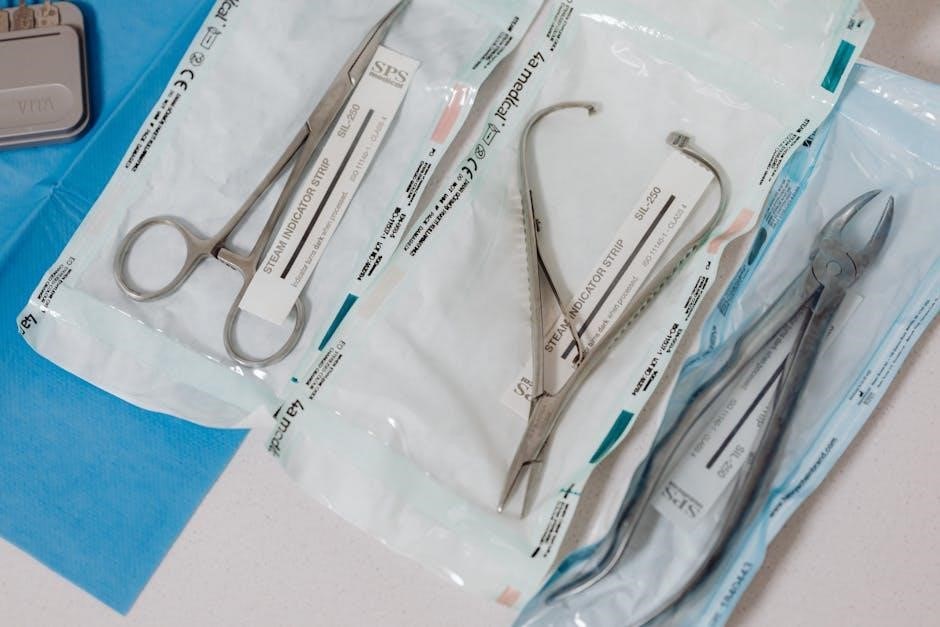
Types of Surgical Sutures: A Comprehensive Overview
Suture materials vary widely, with detailed types of surgical sutures PDF resources outlining absorbable versus non-absorbable options, aiding surgeons in optimal wound closure choices.
Absorbable Sutures
Absorbable sutures are designed to lose tensile strength over time through enzymatic degradation or hydrolysis, eliminating the need for removal, a significant advantage in internal repairs. Comprehensive types of surgical sutures PDF guides detail these materials extensively.
These sutures are broadly categorized into natural and synthetic types, each possessing unique properties influencing absorption rates and tissue reactivity. Natural absorbable sutures, like silk and chromic gut, derive from biological sources, while synthetic options—Polyglycolic Acid (PGA), Polylactic Acid (PLA), Polydioxanone (PDO), and Polycaprolactone (PCL)—are manufactured polymers.
The selection hinges on the desired healing timeframe and tissue characteristics. Suture comparison charts highlight varying absorption periods, ranging from days to months, crucial for informed surgical decisions. Understanding these distinctions, as detailed in available resources, is paramount for successful wound closure.
Natural Absorbable Sutures

Natural absorbable sutures, historically significant in surgery, are derived from processed animal tissues, offering biodegradability. Detailed types of surgical sutures PDF resources showcase their characteristics. Silk sutures, originating from silkworms, exhibit excellent handling but slower absorption and potential tissue reaction.
Chromic gut sutures, manufactured from purified collagen from sheep or cattle intestinal submucosa, are rapidly absorbed, making them suitable for tissues with quick healing potential. However, they possess lower tensile strength compared to synthetic alternatives.
These materials, while cost-effective, can elicit a more pronounced inflammatory response than synthetic options. Suture comparison charts often illustrate their relatively shorter absorption times and variable tensile strength retention, guiding surgeons in appropriate application.
Silk Sutures
Silk sutures, a longstanding staple in surgical practice, are crafted from fibroin, a protein produced by silkworms. Comprehensive types of surgical sutures PDF guides detail their unique properties. They present excellent handling characteristics due to their pliable nature and high knot security, making them favored for ligation and cutaneous closure.
However, silk’s absorption process is relatively slow, spanning approximately 60-90 days, and is accompanied by a noticeable inflammatory response as the body breaks down the protein structure. This can sometimes lead to granuloma formation.
Suture comparison charts highlight silk’s diminishing tensile strength during absorption. While cost-effective, modern synthetic alternatives often offer superior biocompatibility and predictable absorption profiles, influencing their usage in contemporary surgical settings.
Chromic Gut Sutures
Chromic gut sutures, derived from the serosal layer of sheep or cattle intestines, represent a classic example of natural absorbable material. Detailed types of surgical sutures PDF resources outline their manufacturing process, involving purification and chromic acid treatment to extend absorption time. This treatment slows enzymatic degradation, typically ranging from 90 to 180 days.
These sutures exhibit good initial tensile strength, suitable for tissues undergoing rapid healing. However, a significant inflammatory reaction accompanies their absorption, potentially delaying wound healing in sensitive patients.
Suture comparison charts demonstrate a relatively rapid loss of tensile strength compared to synthetic alternatives. While historically prevalent, chromic gut is increasingly replaced by synthetic absorbable options offering more predictable absorption and reduced tissue reactivity.
Synthetic Absorbable Sutures
Synthetic absorbable sutures have become increasingly dominant in surgical practice, offering predictable absorption profiles and reduced tissue reaction compared to natural materials. Comprehensive types of surgical sutures PDF guides detail the diverse range of polymers utilized, including Polyglycolic Acid (PGA), Polylactic Acid (PLA), Polydioxanone (PDO), and Polycaprolactone (PCL).
These sutures undergo hydrolysis, breaking down into biocompatible components absorbed by the body. Suture comparison charts highlight variations in tensile strength retention and absorption rates among different synthetic polymers, allowing surgeons to select the optimal material for specific tissue types and healing requirements.
Their consistent quality and reduced inflammatory response make them a preferred choice for internal tissue approximation and procedures requiring prolonged wound support.
Polyglycolic Acid (PGA) Sutures
Polyglycolic Acid (PGA) sutures represent a widely utilized synthetic absorbable option, frequently detailed within types of surgical sutures PDF resources. Known for their relatively rapid absorption, typically completed within 60-90 days, PGA sutures offer good tensile strength initially, making them suitable for a broad spectrum of surgical applications.
However, suture comparison charts demonstrate a comparatively faster loss of tensile strength compared to other synthetic absorbable materials like PDO or PCL. PGA sutures are often available in braided and monofilament forms, influencing handling characteristics and knot security.
Their common use includes soft tissue approximation and ligation, though careful consideration of the absorption rate is crucial for tissues requiring prolonged support.
Polylactic Acid (PLA) Sutures
Polylactic Acid (PLA) sutures are another synthetic, absorbable material frequently documented in comprehensive types of surgical sutures PDF guides. PLA exhibits a slower absorption rate than PGA, generally taking between 6 to 12 months for complete degradation, providing extended wound support.
Suture comparison charts reveal PLA maintains a significant portion of its tensile strength for a longer duration, making it ideal for applications requiring prolonged tissue approximation, such as in orthopedic surgery or certain plastic surgery procedures.

Typically available as a braided suture, PLA offers excellent handling characteristics and knot security. However, its slower absorption necessitates careful consideration when used in tissues where rapid healing is anticipated.
Polydioxanone (PDO) Sutures
Polydioxanone (PDO) sutures, detailed in many types of surgical sutures PDF resources, represent a synthetic, absorbable monofilament option known for its exceptional tensile strength and prolonged absorption time. Complete absorption typically occurs between 180 to 240 days, as indicated in suture profiles.
Suture comparison charts highlight PDO’s unique properties, making it particularly suitable for use in soft tissue approximation where extended support is crucial, such as in cardiovascular or gynecological surgeries. Its monofilament structure minimizes tissue drag and bacterial colonization.
SECURODOX is a brand utilizing PDO, demonstrating its reliability. Careful consideration of the extended absorption period is vital when selecting PDO for specific clinical scenarios.
Polycaprolactone (PCL) Sutures
Polycaprolactone (PCL) sutures, often detailed within comprehensive types of surgical sutures PDF guides, are synthetic, absorbable monofilament materials gaining prominence due to their slow absorption rate and excellent flexibility. While specific absorption timelines aren’t prominently featured in readily available charts, PCL offers prolonged tissue support.

Suture comparison charts generally position PCL as a versatile option for applications requiring extended wound support, such as in plastic and reconstructive surgery. Its smooth surface minimizes tissue trauma and inflammation, promoting optimal healing.
Information regarding PCL’s precise tensile strength and degradation profile can be found in manufacturer specifications and detailed surgical suture material guides.
Non-Absorbable Sutures
Non-absorbable sutures represent a crucial category within the broader spectrum of types of surgical sutures, as detailed in numerous PDF guides. These materials maintain their tensile strength long-term, providing permanent wound support, and are ideal for tissues undergoing slow healing or requiring lasting approximation.
Suture comparison charts categorize these into natural and synthetic varieties. Natural options, like cotton, were historically prevalent, while synthetic options – nylon, polypropylene, polyester, and polyethylene – now dominate due to improved biocompatibility and handling characteristics.
Understanding the nuances of each non-absorbable type, as presented in comprehensive suture material guides, is essential for surgeons to select the optimal material for specific surgical needs.
Natural Non-Absorbable Sutures
Natural non-absorbable sutures, historically significant in surgical practice, are derived from biological sources. Detailed in various types of surgical sutures PDF resources, these materials offer unique properties, though they’ve largely been superseded by synthetics. Cotton sutures, the primary example, are composed of twisted or braided cotton fibers.
While possessing good handling characteristics and knot security, cotton exhibits higher tissue drag and potential for inflammatory response compared to synthetic alternatives. Suture comparison charts highlight their relatively lower tensile strength and susceptibility to degradation over prolonged periods.
Despite these drawbacks, cotton remains relevant in specific applications where its natural properties are advantageous, as outlined in comprehensive suture guides.
Cotton Sutures
Cotton sutures, a classic example of natural non-absorbable material, are crafted from twisted or braided cotton fibers, extensively documented in types of surgical sutures PDF guides. Historically prevalent, they offer excellent handling and knot security, making them familiar to surgeons. However, modern suture comparison charts reveal limitations.
Compared to synthetic options, cotton exhibits greater tissue drag, potentially increasing patient discomfort and inflammation. Its tensile strength is comparatively lower, and it’s prone to degradation over time due to enzymatic attack and hydrolysis, as detailed in suture material comparisons.
Despite these drawbacks, cotton finds niche applications where its natural composition and biodegradability are desired, though its use is declining with advancements in synthetic suture technology.
Synthetic Non-Absorbable Sutures

Synthetic non-absorbable sutures represent a significant advancement in wound closure, comprehensively covered in types of surgical sutures PDF resources. These materials, unlike their natural counterparts, resist enzymatic degradation, providing long-term wound support. Suture comparison charts highlight their consistent tensile strength and minimal tissue reactivity.
Common examples include nylon, polypropylene, polyester, and polyethylene, each possessing unique characteristics. Nylon offers excellent tensile strength but can exhibit memory, while polypropylene is known for its inertness. Detailed suture profiles from manufacturers like ETHICON showcase these nuances.
Their predictable performance and reduced inflammatory response make them ideal for various surgical procedures, offering reliable wound approximation and minimizing complications.
Nylon Sutures
Nylon sutures, frequently detailed in types of surgical sutures PDF guides, are a widely utilized synthetic non-absorbable option. Characterized by high tensile strength, they provide robust wound support, though suture comparison charts reveal a notable ‘memory’ effect – a tendency to return to their original shape.
This memory can be advantageous for maintaining wound approximation but requires careful handling during knot tying to avoid tissue strangulation. Available in both monofilament and braided forms, nylon offers versatility for diverse surgical applications.
Manufacturers’ suture profiles, such as those from ETHICON VS MEDTRONIC, emphasize their smooth passage through tissue and reliable knot security, making them a staple in many surgical settings.
Polypropylene Sutures
Polypropylene sutures, often detailed within comprehensive types of surgical sutures PDF resources, represent a robust synthetic, non-absorbable choice. Known for their exceptional tensile strength and minimal tissue reactivity, they are frequently preferred for cardiovascular and plastic surgery applications. Suture comparison charts consistently highlight their inertness, reducing the risk of inflammatory responses.
However, polypropylene possesses a relatively low knot security compared to other materials, necessitating careful tying techniques. Available primarily as a braided suture, it exhibits good handling characteristics.
Suture material guides emphasize their resistance to degradation, ensuring long-term wound support, as seen in manufacturer profiles like those from ETHICON.
Polyester Sutures
Polyester sutures, frequently documented in types of surgical sutures PDF guides, are a synthetic, non-absorbable option prized for their high tensile strength and pliability. They offer a balance between strength and handling, making them versatile for a broad range of surgical procedures. Suture comparison charts often showcase their sustained strength over extended periods.
These sutures exhibit minimal tissue reactivity, reducing the likelihood of inflammation. Available in both braided and monofilament forms, they cater to diverse surgical preferences.
Suture brand name cross-reference charts demonstrate their widespread availability from various manufacturers. Their durability makes them suitable for tissues under significant tension, as detailed in material guides.
Polyethylene Sutures
Polyethylene sutures, frequently detailed within types of surgical sutures PDF resources, represent a synthetic, non-absorbable option known for exceptional inertness and resistance to degradation. Suture comparison charts highlight their remarkably low tissue reactivity, minimizing inflammatory responses. They are predominantly available in monofilament form, offering smooth passage through tissues.
These sutures maintain significant tensile strength long-term, making them ideal for cardiovascular and neurological applications where lasting support is crucial. Their hydrophobic nature can sometimes necessitate careful handling techniques.
Suture material guides often emphasize their suitability for contaminated wounds due to their resistance to bacterial attack. Various manufacturers, as shown in cross-reference charts, produce polyethylene sutures.

Suture Material Comparison Charts
Suture comparison charts, often found in types of surgical sutures PDF documents, detail thread color, size availability, and tensile strength for informed selection.
Tensile Strength Comparison
Tensile strength is a critical factor when evaluating suture materials, directly impacting wound closure integrity and long-term holding capacity. Numerous types of surgical sutures PDF resources present comparative data, illustrating the varying strengths of different materials over time.
Non-absorbable sutures, like polypropylene and polyester, generally exhibit consistently high tensile strength, maintaining a significant percentage of their initial strength for extended periods. Conversely, absorbable sutures demonstrate a progressive decline in tensile strength as they undergo degradation.
Charts often showcase this decline, with materials like Polydioxanone (PDO) retaining substantial strength for approximately 180-240 days, while others, such as Chromic Gut, lose strength more rapidly. Understanding these differences, detailed in suture comparison charts, is paramount for surgeons to select the optimal material based on the anticipated healing timeline and tissue tension.
SECUROCRYL and SECURODOX are examples of sutures with specific absorption and tensile strength profiles, as highlighted in available documentation.
Absorption Rate Comparison
The absorption rate of a suture is a key determinant in its clinical application, influencing the timing of wound healing and potential tissue reactivity. Comprehensive types of surgical sutures PDF guides detail these rates for various materials, aiding informed surgical decisions.
Natural absorbable sutures, like Chromic Gut, exhibit relatively rapid absorption, typically completed within 60-90 days. Synthetic absorbable options, however, offer a broader range of absorption profiles. Polyglycolic Acid (PGA) absorbs within 60-90 days, while Polydioxanone (PDO) demonstrates a slower absorption, spanning 180-240 days.
Suture comparison charts illustrate these differences, highlighting how Polycaprolactone (PCL) offers even longer absorption times. This variability allows surgeons to match the suture’s degradation timeline to the expected wound healing process, minimizing complications and optimizing patient outcomes. Understanding these rates, as documented in available resources, is crucial.

Suture Size and Needle Types
Suture selection involves considering both material and size, ranging from USP 6-0 to USP 5, alongside diverse needle types detailed in types of surgical sutures PDF guides.
USP Suture Sizes
USP suture sizes represent a standardized system for classifying suture diameter, crucial for selecting appropriate materials based on tissue fragility and wound tension. This system, detailed within types of surgical sutures PDF resources, utilizes a numerical scale where a higher number indicates a larger diameter suture.
Sizes range from 8-0 (the smallest) to 7, though commonly used sizes fall between 6-0 and 2-0. For instance, 6-0 sutures are exceptionally fine, ideal for delicate tissues like those found in ophthalmic or neurosurgical procedures. Conversely, a 2-0 suture offers greater tensile strength, suitable for tissues experiencing significant stress, such as skin closures.
Understanding metric equivalents is also vital, as some manufacturers utilize this system. The USP system correlates to metric sizes, allowing for seamless conversion and ensuring accurate suture selection. Comprehensive suture material guides, often available as PDF documents, provide detailed charts for quick reference.
Common Needle Types
Common needle types are integral to successful suturing, influencing tissue penetration and minimizing trauma, as detailed in various types of surgical sutures PDF guides. These needles are categorized by their point shape, including cutting, taper, and blunt designs.
Cutting needles, featuring a triangular blade, are ideal for tough tissues like skin, enabling precise penetration. Tapered needles, with a gradually narrowing shaft, excel in delicate tissues, offering atraumatic passage. Blunt needles are used for passing through dense tissues or creating tunnels without cutting.
Needle bodies can be straight or curved, with curved needles being more prevalent for surgical procedures. The curvature facilitates maneuvering within the surgical field. Suture needle comparison charts often illustrate these variations, aiding surgeons in selecting the optimal needle for each specific application, ensuring efficient and effective wound closure.
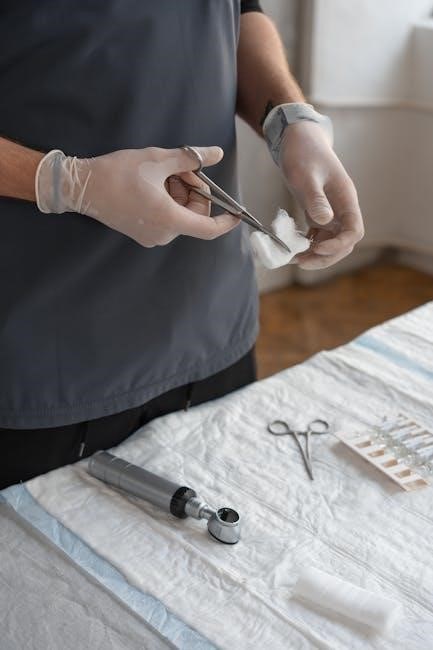
Choosing the Right Suture: Considerations
Selecting the appropriate suture demands careful evaluation of tissue type and tension, guided by resources like types of surgical sutures PDF documents, for optimal outcomes.
Tissue Type and Tension
Tissue type and the degree of tension at the wound site are paramount when selecting a surgical suture, often detailed within comprehensive types of surgical sutures PDF guides. Delicate tissues, like those found in cosmetic surgery, require finer, atraumatic sutures – often smaller USP sizes – to minimize scarring and ensure precise approximation.
Conversely, tissues experiencing high tension, such as those in abdominal closures or tendon repairs, necessitate stronger sutures with higher tensile strength. Non-absorbable sutures, like polypropylene or polyester, are frequently preferred in these scenarios due to their long-term durability. Absorbable sutures, while convenient, may lose strength too quickly under significant stress.
Understanding the inherent properties of each suture material, as outlined in comparative charts, is crucial. Factors like pliability, knot security, and tissue reactivity also influence the decision-making process, ensuring optimal wound healing and minimizing complications.
Patient Factors
Patient-specific considerations significantly impact suture selection, information often summarized in detailed types of surgical sutures PDF resources. Allergic reactions to suture materials, though rare, must be assessed; silk and chromic gut are known allergens for some individuals. Patients with compromised immune systems or diabetes may benefit from non-absorbable sutures to minimize the risk of infection associated with prolonged suture presence.
Age and overall health status also play a role. Elderly patients, with potentially reduced wound healing capacity, may require stronger, longer-lasting sutures. Pediatric patients often necessitate smaller suture sizes and materials designed for delicate tissues.
Pre-existing medical conditions and medications, such as anticoagulants, must be considered to anticipate potential bleeding complications and adjust suture choices accordingly, ensuring optimal patient outcomes.